Maintenance · All the Things Your Dad Should Have Taught You
Build a Seasonal Home Maintenance Plan That Fits Your Home
Organize accessible checks, equipment service, weather preparation, and repair follow-ups around your actual home and climate.
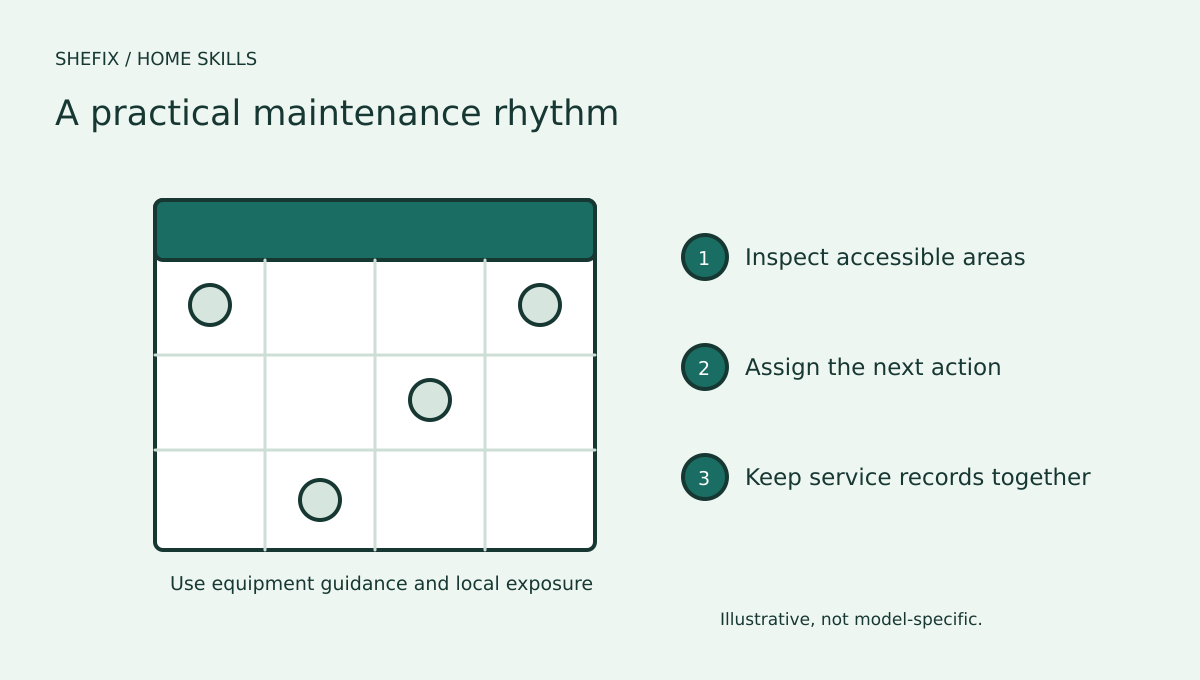
Home maintenance becomes manageable when you separate routine observations from specialized service. You do not need to inspect every system every weekend. You need a calendar tied to your equipment, climate, building condition, and the records you already have. A useful plan catches changes early and makes professional visits more purposeful.
This guide is a planning tool. It does not replace manufacturer schedules, local requirements, or an inspection by a qualified professional. Roof access, electrical panels, gas equipment, structural damage, and inaccessible systems belong outside an ordinary visual homeowner check.
Build your home inventory first
List the major systems: roof, heating and cooling, plumbing, water heater, appliances, doors and windows, drainage, safety alarms, and any specialized equipment. Record model numbers, installation dates if known, warranty information, and service contacts. Mark unknown details as unknown rather than inventing dates.
Gather manuals and previous invoices. The equipment's maintenance instructions should shape the schedule. A calendar copied from another climate may assign the wrong task or season. A coastal Florida home, a snowy inland home, and a condominium have different exposures and responsibilities.
If you rent or live in an association, identify which tasks are yours and which belong to the property manager or association. Shared roofs, sprinkler systems, exterior drainage, and building equipment may require authorized service rather than personal intervention.
Set a short recurring check
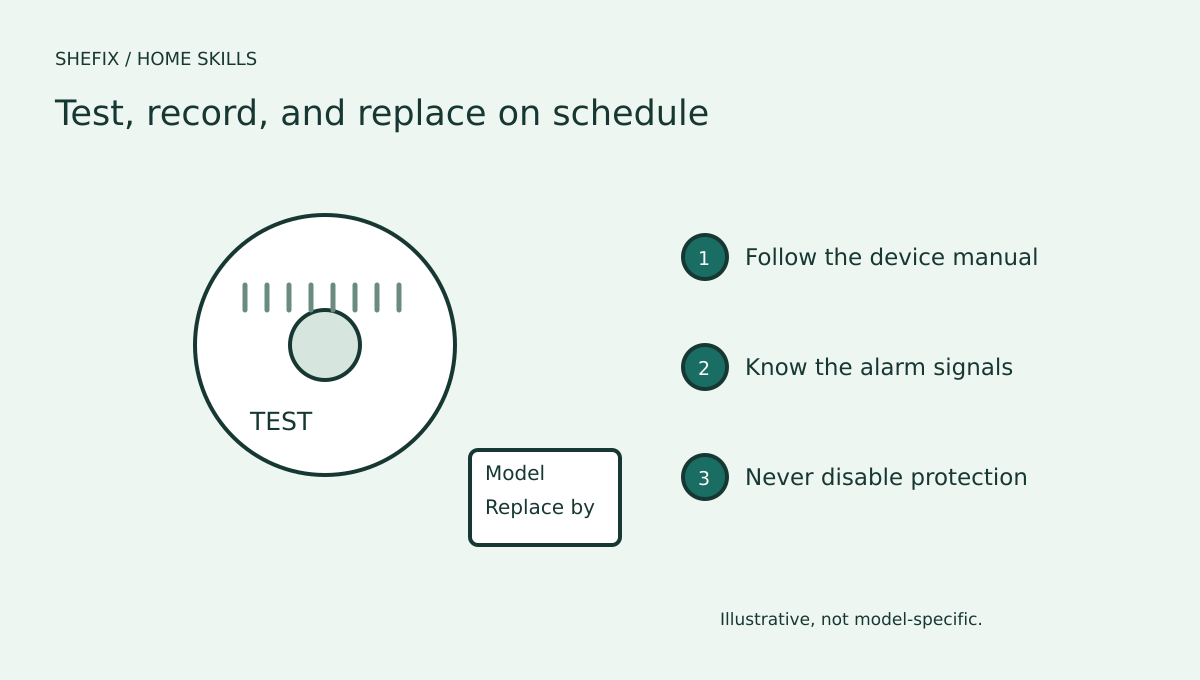
Once a month, walk accessible areas with a flashlight and note changes. Look under sinks for moisture, around windows for staining, and at accessible appliance connections without moving heavy equipment. Test alarms as instructed and check filters on the equipment's schedule.
Use photographs from the same location to compare conditions over time. A small stain that grows matters more than a note that says the wall looked strange once. Record the date, whether the weather changed, and whether the symptom coincides with equipment use.
Do not open electrical covers, climb onto a roof, or reach into moving equipment during a visual check. The purpose is to notice a change and route it to the right person, not to turn each observation into an immediate DIY repair.
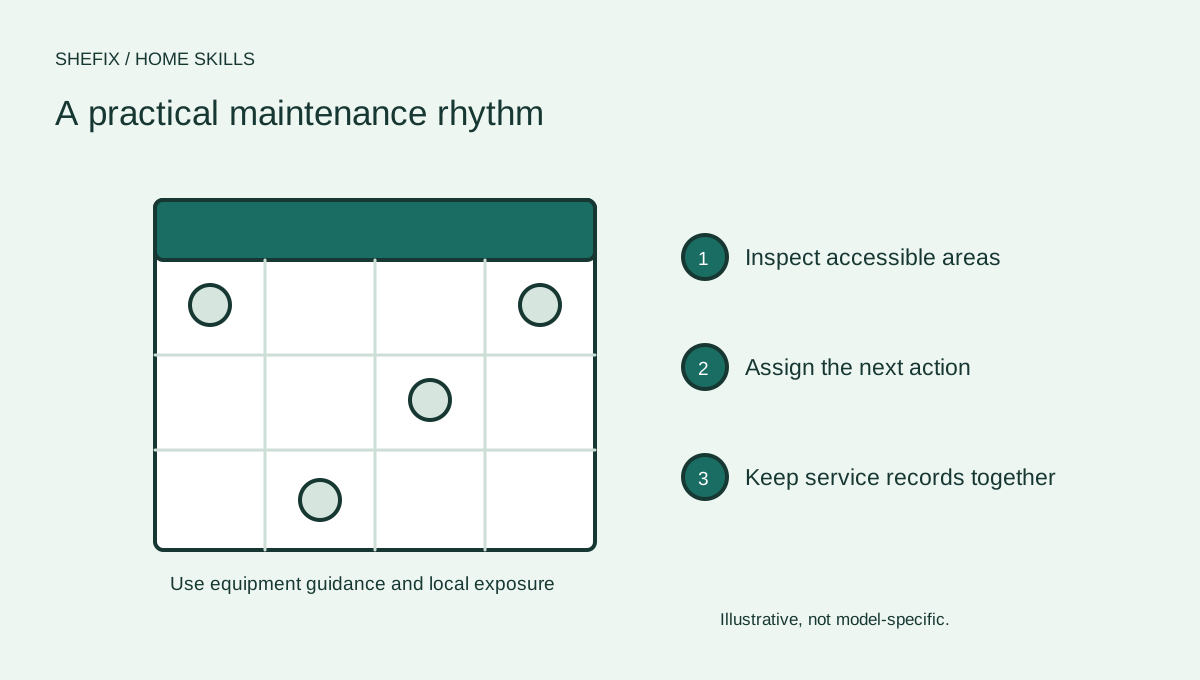
Plan by exposure and equipment
Before a wet or storm season, review drainage observations from the ground, emergency contacts, accessible shutoffs, and documentation. Ask the relevant professional about roof or exterior maintenance that requires access equipment. Do not wait for an active storm to arrange routine work.
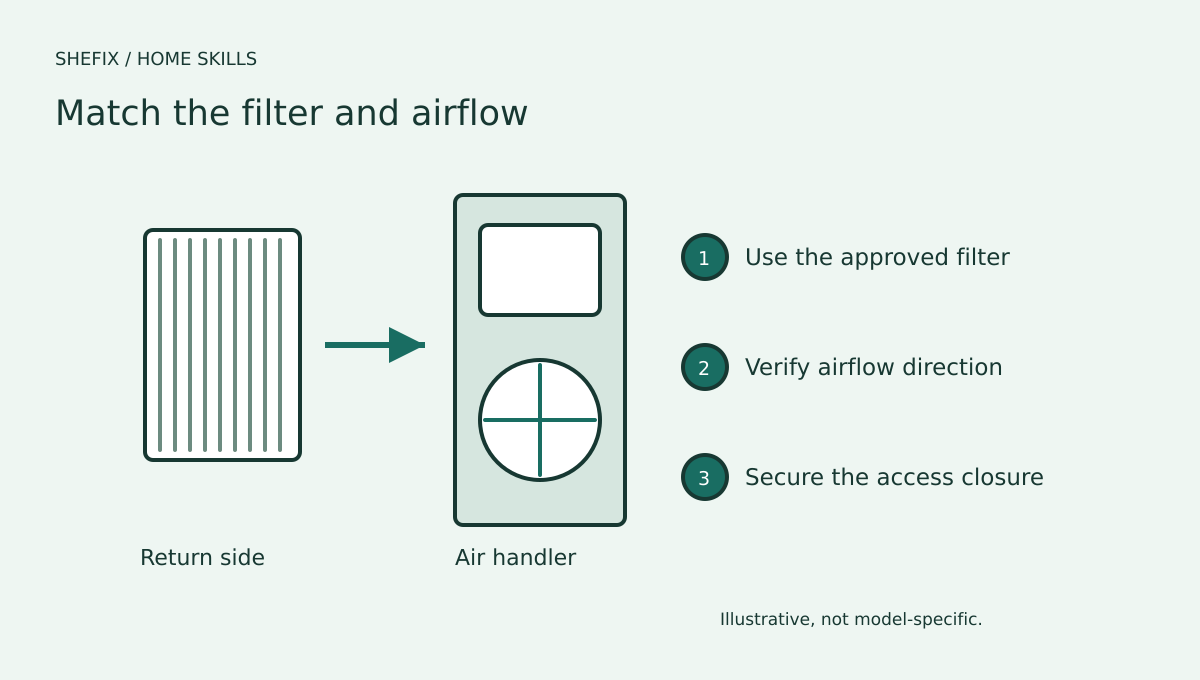
Before heavy heating or cooling use, arrange manufacturer-recommended service and confirm correct filter specifications. Read equipment reminders against actual use. A system running much of the year may need a different inspection rhythm from one used briefly each season.
After a major weather event, make safe visual observations and document changes. Stay away from damaged wiring, unstable structures, floodwater, and roof hazards. Photograph from a safe location and contact the appropriate emergency or repair service.
Prioritize findings sensibly
- Address immediate danger first, including active alarms, electrical hazards, gas concerns, or unstable conditions. Get emergency help when appropriate.
- Stop active damage safely, such as a known accessible domestic water shutoff for a leak, without entering hazardous areas.
- Arrange prompt evaluation of water intrusion, recurring faults, or a system that is not working normally.
- Schedule ordinary wear and preventive service based on condition and manufacturer guidance.
- Keep cosmetic improvements separate so they do not consume the budget needed for essential repairs.
A maintenance budget should reflect the home, not a universal percentage. Build it from known service needs, expected replacement timelines, and contingency appropriate to your circumstances. Obtain current estimates before planning major work.
Make each professional visit count
Send the technician a brief list of symptoms and the relevant history before the visit. Ask what is being inspected, what is excluded, what the findings mean, and which actions are urgent versus optional. Request written recommendations and identify the person responsible for follow-up.
Keep estimates comparable. A preventive service visit, a diagnostic visit, and a replacement proposal are different purchases. Save photographs, model information, and test results provided by the professional. Do not treat a verbal everything looks fine as a permanent condition statement.
Questions homeowners ask
Do I need a different checklist each season? Use seasons as reminders, then customize by climate and equipment. Some tasks are monthly, some annual, and some triggered by a symptom or event.
Should I replace equipment simply because it is old? Age is one factor. Condition, performance, repair history, safety, and professional findings also matter.
How do I avoid being overwhelmed? Limit each routine check to accessible observations, record findings, and assign a next step. A clear queue is more useful than a giant unprioritized checklist.
Keep the plan in one place
Create a SheFix home record for each system and a project for work that needs estimates or coordination. Assign a follow-up date to unresolved findings. Keep receipts, warranties, and completion notes together so the next repair starts with evidence rather than memory.
Your printable project checklist
Use your browser's PDF option to keep a copy. Create a free account to keep project records and compare professionals.
Sources & further reading
Follow the instructions for your specific equipment and confirm current local requirements.